
 Facebook
 X
X LinkedIn
 Forward
Module 1: New Strategies for 21st Century Teaching and Life Long Learning
Adults learn differently than school-age children. The differences include the level of an adult’s motivation to learn, engagement in learning, the application of past experiences to learning, learning relevance and how new learning is applied. One of the important roles both a clinical nurse educator and a preceptor fulfill is to guide the preceptée’s knowledge, skills and attitude across competency frameworks. This module provides the learner with information about the characteristics of adult learners, the domains of learning and strategies for advancing learning engagement in the 21st century.
Release Date:
September 2021
Expiration Date:
September 2022
Target Audience
This activity is intended for Registered Nurses assuming the preceptor role, and Clinical Nurse Educators working in partnership with their preceptors.
Learning Objectives
Upon completion of this activity, participants will be able to:
- Describe four learning preferences.
- Examine the key principles of adult learning.
- Design education for a preceptee based on the key principles of adult learning.
Additional Information
Lunder Dineen Health Alliance of Maine & Partners HealthCare System
Course summary
Taffy Davis, MSN, RN, NPD-BC
Clinical Informatics Specialist, Franklin Memorial Hospital
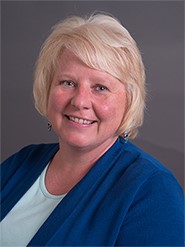
Taffy is a Clinical Informatics Specialist at Franklin Memorial Hospital and is involved in the implementation of a new electronic health record. A long-time clinical nurse educator, including experience at University of New England's nursing program, Taffy continues to facilitate clinical and leadership education. She has been a registered nurse for over 30 years and worked in emergency medicine, outpatient clinics and as a nurse manager of Surgical Services, Outpatient Clinics/Oncology and Medical-Surgical units. She started her nursing career at Mass. General in orthopedics.
Her interests lie in the science behind learning, as well as creating online learning. Taffy has developed an online Charge Nurse program with participation from acute care and long-term care facilities and has designed numerous online modules using Articulate Storyline including the Maine Nurse Preceptor Education Program and MOTIVATE oral health online modules, which included working with subject matter experts. She has presented at the Association of Nurses in Professional Development (ANPD) 2016 annual conference with Carole MacKenzie on Best Practices in Developing a Statewide Nursing Preceptor Education Program using Evidence-Based Practice and in 2014 on Barriers to Using Web Tools in Instructional Design and the creation of the top ten web tools list for instructional design. She also designed an online module for ANPD's Frontline Leader-Charge Nurse Program.
Taffy is a member of the Association of Nurses in Professional Development, Organization of Maine Nurse Executives-Nursing Leaders of Maine, Association of Talent Development and past member on the University of Maine at Farmington institutional review board.
Taffy is a graduate of Salem State College (now University) and completed a M.S.N. from Western Governor's University. She has completed graduate courses in Methods of Online Learning and Foundations of Instructional Design.
The Maine Nursing Preceptor Education Program including the on-line learning webinars and the live workshop is approved for 13.5 nursing contact hours. Nursing contact hours will be provided to learners who complete the following program requirements: completion of all 8 modules, attendance and active participation during the workshops, and completion of an online workshop evaluation. Please note: Following the live workshop, learners will receive an email to a workshop evaluation. Nursing contact hours for program completion will be emailed following completion and submission of the workshop evaluation.
The Norman Knight Nursing Center for Clinical & Professional Development at Massachusetts General Hospital is approved with distinction as a provider of nursing continuing professional development by the Ohio Nurses Association, an accredited approver by the American Nurses Credentialing Center's Commission on Accreditation (OBN-001-91)
Criteria for successful completion include: registration and check-in at the program, attendance of no less than 80% of the event, completion of any assigned pre and/or post work, attestation statement when required, and activity evaluation. Certificate with contact hours will then be delivered electronically.
No one with the ability to control content of this activity has a relevant financial relationship with an ineligible company.