
 Facebook
 X
X LinkedIn
 Forward
Module 2: From the Rotary Phone to the iPhone - the Multigenerational Workforce
Within today’s nursing workforce, there is a possibility that staff members spanning five generations may be working together in various roles. Each generation brings their own unique experiences, values, characteristics and work ethics to their roles. Generational differences can present challenges to team work, communication and collaborative practice – essential components of high quality, patient centered care. This module describes the five generational cohorts, the learning styles and preferences of each cohort and the strategies for assessing and strengthening communication and collaboration across generations. Incorporating the knowledge and skills to work effectively within a mulit-generational team advances and supports the roles of the educator and preceptor and a healthy workplace environment .
Release Date:
September 2022
Expiration Date:
September 2023
Target Audience
This activity is intended for Registered Nurses assuming the preceptor role, and Clinical Nurse Educators working in partnership with their preceptors.
Learning Objectives
Upon completion of this activity, participants will be able to:
- Distinguish the differences in characteristics, values and learning preferences between the five generations working within the nursing work force.
- Explore how preconceived ideas and attitudes can form the basis of perceptions and presuppositions about generational cohorts.
- Identify strategies preceptors can utilize to incorporate generational learning styles and collaborative practices into a multi-generational learning environment
Additional Information
Lunder-Dineen Health Education Alliance of Maine in collaboration with Massachusetts General Hospital, and Partners HealthCare System
Course summary
Carole F. MacKenzie, BSN, M.Ed., RN, NPD-BC
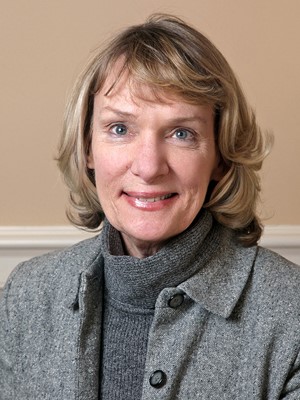 Carole MacKenzie is the Professional Development Specialist for the Lunder-Dineen Health Education Alliance of Maine. She brings to her role knowledge and skill sets from leadership positions across the continuum of care in academic medical center, community hospital, school health and public health settings. Prior to her appointment, she was the Director of Nursing Professional and Practice Development at Brigham and Women’s Faulkner Hospital and the Director of School Health Services for the Needham Public Schools.
She has broad experience in developing and implementing professional development programs for nursing and interprofessional staff, continuous quality improvement processes, and academic and community-based partnerships, to advance health and educational initiatives.
The Maine Nursing Preceptor Education Program including the on-line learning webinars and the live workshop is approved for 13.5 nursing contact hours. Nursing contact hours will be provided to learners who complete the following program requirements: completion of all 8 modules, attendance and active participation during the workshops, and completion of an online workshop evaluation. Please note: Following the live workshop, learners will receive an email to a workshop evaluation. Nursing contact hours for program completion will be emailed following completion and submission of the workshop evaluation.
The Norman Knight Nursing Center for Clinical & Professional Development at Massachusetts General Hospital is approved with distinction as a provider of nursing continuing professional development by the Ohio Nurses Association, an accredited approver by the American Nurses Credentialing Center's Commission on Accreditation (OBN-001-91)
Criteria for successful completion include: registration and check-in at the program, attendance of no less than 80% of the event, completion of any assigned pre and/or post work, attestation statement when required, and activity evaluation. Certificate with contact hours will then be delivered electronically.
No one with the ability to control content of this activity has a relevant financial relationship with an ineligible company.