
 Facebook
 X
X LinkedIn
 Forward
Jane Sattoe, PhD
Associate Professor Life Course Care,
Research Centre Innovations in Care,
Rotterdam University of Applied Sciences, Netherlands

Optimizing Transition from Pediatric to Adult Care
March 1, 2027 to March 3, 2027
In this special program, faculty from Harvard Medical School, the Brigham and Women's Hospital Transition Care Team, and the Boston Children’s Hospital BRIDGES Adult Transition Program provide strategies, best practices, and guidance to:
- Identify adult care providers and successfully transfer patients with rare or complex health care needs.
- Assess and improve the efficacy of your current transition processes.
- Tailor transition strategies to patient age, disease type, and physical/ intellectual capability.
- Develop transition policies to support your specific practice needs Significantly improve inter-practice care coordination.
- Approach reimbursement in 2026
- Ensure up-to-date, portable, and accessible medical summaries.
- Build your transition team, processes, and consultation program Innovate transition processes with telehealth and social media.
- Optimize care coordination and inter-practice communication Practical, Results-Focused Education.
Faculty share strategies and best practices that can be readily implemented by pediatric, pediatric subspecialty, and adult care providers to optimize how you:
- Assess patient readiness for adult care.
- Time patient transitions for the best outcomes.
- Ensure adherence Teach self-care and self-management.
- Promote medical and educational self-advocacy.
- Address sexual health and fertility with young adults.
- Strengthen family engagement Provide care for college students.
- Screen for high-risk behaviors.
- Help patients maximize their independence.
- Meeting the Requirements of Special Patient Populations.
Education and workshops are led by nationally and internationally recognized experts with extensive expertise in the care, transition and transfer of patients with:
- Developmental disabilities Intellectual disabilities.
- Autism Common and complex chronic conditions, including: Diabetes IBD Cystic Fibrosis Congenital Heart Disease Epilepsy Sickle Cell Disease Spina Bifida Substance Use Disorder.
- Cancer Survivorship Organ Transplantation.
- Obesity Tools and Resources.
Participants will receive a variety of tools and resources, including:
- Transition checklists.
- Sample transition curricula.
- Readiness assessments.
- Transition plans and processes.
- Transition policies.
- Up-to-date transition coding and reimbursement tip sheets.
If you provide care for—or are preparing to accept—pediatric patients who are transferring to adult care, this course will prove invaluable. It will inform, update, and inspire you, and you will return to your practice empowered to be a more effective clinician in the care of these patients.
Target Audience
This activity is intended for Physicians, NPs, and PAs in: Pediatrics, Internal Medicine, Family Medicine, Pediatric Subspecialties Medical Specialties and Subspecialties as well as Psychologists, Social Workers, and Counselors who support young adults and their families.
Learning Objectives
Upon completion of the activity, participants will be able to:
- Practice state-of-the-art care of chronic childhood conditions in adolescent and adult patients, including single system diseases, multisystem diseases, and intellectual/developmental disabilities.
- Develop and implement practical strategies to successfully transfer and accept patients with chronic childhood conditions (including care coordination and integration, supported decision making, practice redesign and team-based care, and adolescent health and wellness.
- Assess healthcare systems and their impact on transition to adult care, including quality improvement, reimbursement strategies, national health policy, and population health.
- Design your approach to patient and family engagement in chronic condition management and help them to achieve health equity through communication, assessing self-management skills and readiness to transition to adult healthcare settings, coping with chronic illness, supports for community living.
- Discuss the roles of members of an interprofessional team (e.g. MD/DO, NP, PA, SW, RN), and how each contributes to optimizing the transition of young adults with chronic conditions of childhood origin moving from pediatric to adult centered medical care.
POSTER SESSIONS
The faculty of Harvard Medical School, the Brigham and Women’s Hospital Transition Care Team, and the Boston Children’s Hospital BRIDGES Adult Transition Program are pleased to announce that the 2027 program is hosting poster sessions. These will be held and live streamed during the midday breaks on Tuesday, March 2, and Wednesday, March 3. These sessions will also be recorded and will become a part of the course's video archive, so that course registrants can review the presentations for 60 days after the course ends.
These sessions are an opportunity for investigators to share their work and for all attendees to learn about cutting-edge research and innovation in transition.
For more information on the abstract submission, please click here:  Call for Abstracts.pdf
MOC RECOGNITION STATEMENTS
American Board of Internal Medicine (ABIM)
Successful completion of this CME activity, which includes participation in the evaluation component, enables the participant to earn up to 33.5 MOC point in the American Board of Internal Medicine’s (ABIM) Maintenance of Certification (MOC) program. It is the CME activity provider’s responsibility to submit participant completion information to ACCME for the purpose of granting ABIM MOC credit.
American Board of Pediatrics (ABP)
Successful completion of this CME activity, which includes participation in the evaluation component, enables the learner to earn up to 33.5 MOC points in the American Board of Pediatrics’ (ABP) Maintenance of Certification (MOC) program. It is the CME activity provider’s responsibility to submit learner completion information to ACCME for the purpose of granting ABP MOC credit.
Additional Information
Provided by:

Course summary
Available credit:
- 33.50 AAPA Category I CME
- 33.50 ABIM Medical Knowledge
- 33.50 ABP Lifelong Learning and Self-Assessment
- 33.50 AMA PRA Category 1 Credit™
- 23.00 Nursing Contact Hours
- 33.50 Participation
Course opens:
03/20/2026
Course expires:
04/01/2027
Event starts:
03/01/2027 - 8:15am EST
Event ends:
03/03/2027 - 5:30pm EST
Cost:
$795.00
Add to calendar:
Day 1: Monday, March 1, 2027 | 8:15am - 5:40pm
| 8:15am | Welcome Announcements and Introductions | Niraj Sharma, MD, MPH |
| 8:30 | Defining Successful Transition in 2026 (includes Got Transition overview and updates) | Niraj Sharma, MD, MPH |
| 9:15 | Teaching Self-Management Skills: Strategies and Best Practices Gleaned from Diabetes Care | Katharine Garvey, MD, MPH |
| 9:45 | Maximizing Independence: Valuable Lessons from Care of Patients with Epilepsy | Tracey Milligan, MD, MS, FAAN |
| 10:15 | Break |
| 10:30 | Ensuring Adherence: Strategies and Best Practices Gleaned from Cystic Fibrosis | Gregory Sawicki, MD, MPH |
| 11:00 | Faculty Q&A | Katharine Garvey, MD, MPH; Tracey Milligan, MD, MS, FAAN; Gregory Sawicki, MD, MPH |
| 11:30 | Poster Session |
| 12:15pm | Lunch |
| 1:00 | The Use of Quality Improvement (QI) in Transition Care Overview | Kitty O'Hare, MD |
| 1:30 | QI Workshops (1A - 1C) - Choose One
|
| 2:30 | QI Workshops: Getting Your Transition Project Started (2A - 2C) - Choose One
|
| 3:25 | Break |
| 3:40 | Down Syndrome through the Lifespan | Stephanie Santoro, MD |
| 4:10 | Parent Guidance for Transitional Age Youth | Margo Funk, MD, MA, FACLP |
| 4:40 | Substance Use Disorder in Transition Age Youth | TBD |
| 5:10 | Faculty Q&A | Stephanie Santoro, MD; Margo Funk, MD, MA, FACLP; TBD |
| 5:40pm | Adjourn |
Day 2: Tuesday, March 2, 2027 | 8:30am - 5:45pm
| 8:30am | Morning Announcements | Niraj Sharma, MD, MPH |
| 8:45 | A Population Health Approach to Preparing Youth for Transition | Alex Arauz Boudreau, MD & Katherine Schiavoni, MD, MPP |
| 9:45 | Lessons of Twenty Years on Your Own Feet: Transition Care in the Netherlands | Jane Sattoe, PhD |
| 10:15 | Faculty Q&A | Alex Arauz Boudreau, MD; Katherine Schiavoni, MD, MPP & Jane Sattoe, PhD |
| 10:45 | Break |
| 11:00 | Building a Road Map for Change: Improving Transitions to Adulthood | Elaine Gabovitch, MPA |
| 11:30 | Building and Sustaining a Comprehensive Transition Program | Ahmet Uluer, DO, MPH |
| 12:30pm | Faculty Q&A | Elaine Gabovitch, MPA; Ahmet Uluer, DO, MPH & Kristina Taylor, BS, BSN, RN |
| 1:00 | Poster Session |
| 1:45 | Lunch |
| 2:30 | Roundtables (3A - 3C) - Choose One
|
| 3:15 | Break |
| 3:30 | Transition Research Overview | Cecily Betz, PhD, RN, FAAN |
| 4:00 | Roundtables (4A - 4C) - Choose One
|
| 4:45 | Navigating College with Chronic Conditions: Patient Perspectives | Chris Ryan, MSW, LCSW |
| 5:45pm | Adjourn |
Day 3: Wednesday, March 3, 2027 | 8:30am - 5:30pm
| 8:30am | Morning Announcements | Niraj Sharma, MD, MPH |
| 8:45 | Perspectives: Patients, Parents, and Providers - Navigating the Complexities of Communication | Laurie Fishman, MD |
| 9:45 | Preparing Women with Chronic Conditions for Pregnancy: Strategies and Best Practices Gleaned from Congenital Heart Disease Care | Anne Marie Valente, MD |
| 10:15 | Faculty Q&A | Laurie Fishman, MD & Anne Marie Valente, MD |
| 10:45 | Break |
| 11:00 | Autism in Transition | Sarah Spence, MD, PhD |
| 11:30 | KIND Clinic: Gynecologic Care for Women with Intellectual Disabilities | Kathleen Nolan, NP |
| 12:00pm | Faculty Q&A | Sarah Spence, MD, PhD & Kathleen Nolan, NP |
| 12:30 | Lunch |
| 1:15 | Educational Advocacy for Youth with Intellectual/Developmental Disability | Alison D. Schonwald, MD |
| 1:45 | Assessing for Independence and Support Needs | Jennifer Turek Queally, PhD |
| 2:30 | Faculty Q&A | Jennifer Turek Queally, PhD & Alison D. Schonwald, MD |
| 3:00 | Break |
| 3:15 | Breakouts (5A - 5C) - Choose One
|
| 4:15 | Transition Medicine and National Health Policy | Niraj Sharma, MD, MPH |
| 4:45 | Promoting Self-Management and Self-Advocacy | Sneha Dave & Colleen Huysman, MSW, LICSW |
| 5:15 | Closing Remarks | Niraj Sharma, MD, MPH |
| 5:30pm | Adjourn |
Study Hall Sessions (Pre-Recorded)
Each pre-recorded session is about 45 minutes
| Study Hall Topic Title | Speaker |
|---|---|
| Connecting Patients Using Social Media & Technology | Jonathan Hausmann |
Inflammatory Bowel Disease and Coping with a Chronic Condition | Sarah Flier |
Lessons from Care of Patients with Sickle Cell Disease | Maureen Achebe |
Creating a Transition Program for Solid Organ Transplant | Dawn Freiberger, Lynne Helfand, Brendan Kimball |
Solid Organ Transplant and Navigating Chronic Care Transitions | Scott Elisofon |
Cancer Survivorship and Adult Screening Guidelines | Ann Partridge |
Measuring Care Coordination and Care Integration | Richard Antonelli |
Building Your Team: Lessons from Care of Patients with Spina Bifida | Erin McNamara, Arda Hotz |
Pregnancy and Women with Mobility Disorders | Lisa Iezzoni |
Chronic Pain | Rachael Coakley |
Approaching Conversations in Youth with Life-Limiting Conditions | Elisabeth Dellon, Ashley Allen |
Obesity in Adolescents and Young Adults with Shared Patient Perspectives | Fatima Stanford |
HIV in Teens | Ann Neilan |
Sexual Health in Chronic Illness (including Fertility) | Julia Roboff |
Virtual, via Zoom
United States
Course Directors
 | Niraj Sharma, MD, MPH Assistant Professor of Medicine and Pediatrics, Harvard Medical School; Director, Internal Medicine-Pediatrics Unit, Division of General Medicine, Department of Internal Medicine, Brigham and Women's Hospital |
 | Susan Shanske, LICSW Director of Transitional Care Support, BRIDGES Adult Transition Program, Department of Medicine, Boston Children’s Hospital |
 | Ahmet Uluer, DO, MPH Assistant Professor of Pediatrics, Harvard Medical School; Director, BRIDGES Adult Transition Program, Department of Medicine, Boston Children’s Hospital, Director, Adult Cystic Fibrosis Program, Cystic Fibrosis Center, Brigham and Women's Boston Children's Hospital |
 | Kristin M. Farias, MD, MA |
 | Kristina Taylor, BS, BSN, RN Nurse Transition Coordinator, BRIDGES Adult Transition Program, Boston Children's Hospital |
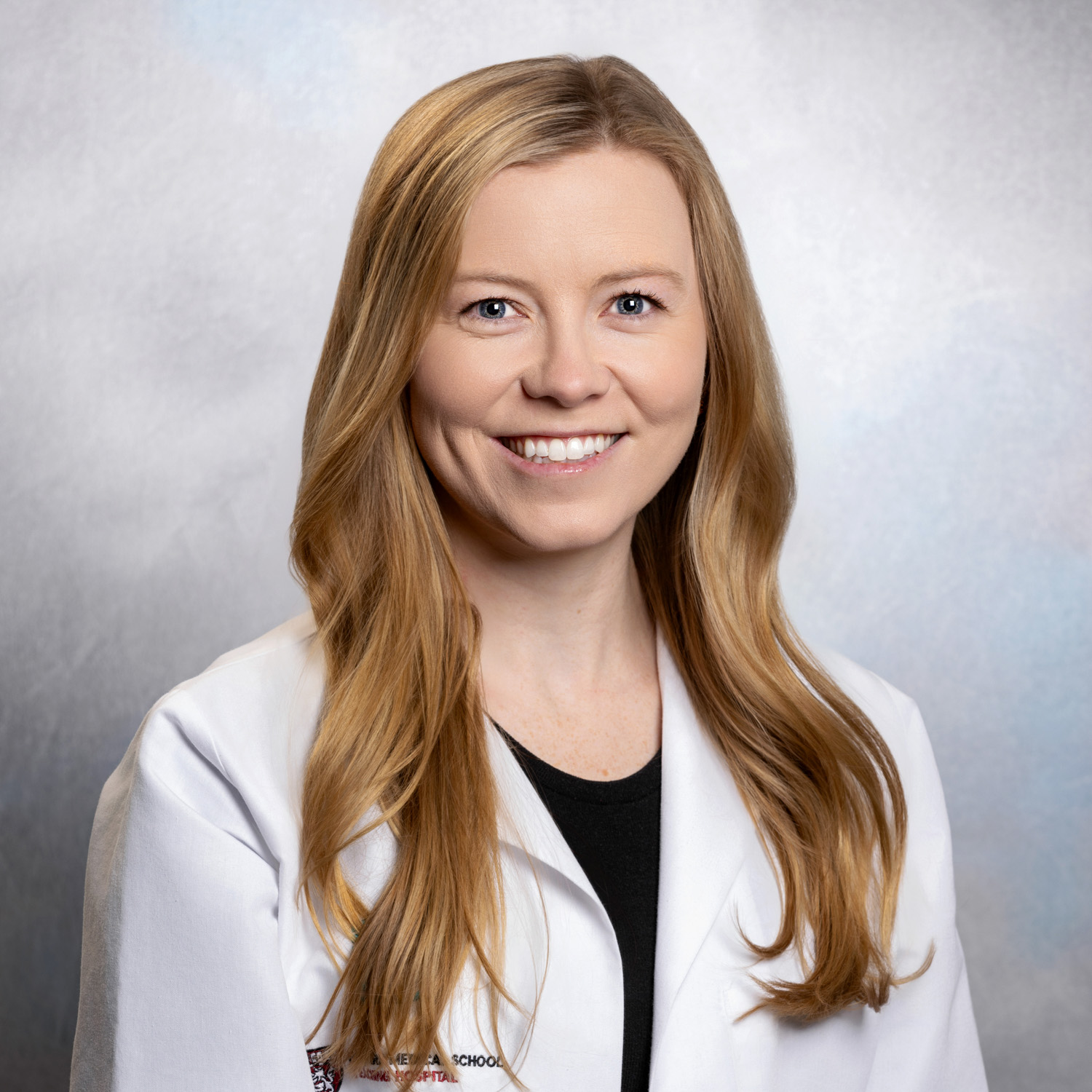 | Anna MacNaughton PA-C |
Faculty
Alexy D. Arauz Boudreau, MD
Assistant Professor of Pediatrics, Harvard Medical School;
Associate Chief of Pediatrics for Primary Care, MGHfC;
Medical Director for Population Health Management, Department of Pediatrics & Pediatric Surgery,
Massachusetts General Hospital
Cecily Betz, PhD, RN, FAAN
Professor of Clinical Pediatrics,
Department of Pediatrics,
USC Keck School of Medicine;
Nursing Director and Research Director,
USC University Center of Excellence in Developmental Disabilities,
Children's Hospital Los Angeles
Madeline Chiujdea, BA, CPHQ, CLSSGB
Senior Quality Improvement Consultant, Neuroscience Quality Improvement Program,
Department of Neurology, Boston Children’s Hospital
Sneha Dave
Executive Director, Generation Patient (Generationpatient.org)
Staci R. Eisenberg, MD
Instructor in Medicine, Part-time, Harvard Medical School;
Assistant Program Director, Harvard Medicine-Pediatric Residency Program,
Department of Medicine,
Brigham and Women’s Hospital
Boston Children’s Hospital
Laurie N. Fishman, MD
Associate Professor of Pediatrics, Harvard Medical School;
Attending Physician, Division of Gastroenterology, Hepatology and Nutrition,
Department of Pediatrics, Boston Children’s Hospital
Ellen Fremion, MD, FACP, FAAP
Associate Professor of Internal Medicine and Pediatrics,
Section Chief, Medical Director of Adult Transition Medicine,
Department of Medicine, Baylor College of Medicine
Margo Funk, MD, MA, FACLP
Assistant Professor of Psychiatry, Harvard Medical School;
Director, Cardiovascular Psychiatry Program,
Director, Psychiatry Residency Training Program,
Brigham and Women’s Hospital
Elaine M. Gabovitch, MPA
Instructor, University of Massachusetts Medical School;
Director, Division for Children & Youth with Special Health Needs,
Massachusetts Department of Public Health
Katharine Garvey, MD, MPH
Assistant Professor of Pediatrics, Harvard Medical School;
Clinical Chief, Diabetes,
Director, Diabetes Program;
Attending Physician, Division of Endocrinology, Department of Pediatrics,
Boston Children's Hospital
Meaghan Hamilton, PNP
CATCH Program, East Boston Neighborhood Health Center
Colleen Huysman, MSW, LICSW
Clinical Social Worker, BRIDGES Adult Transition Program and AWAKE Program,
Emergency Department, Boston Children’s Hospital
Ashley Jenkins MD, MSc
Assistant Professor of Medicine and Pediatrics,
University of Rochester School of Medicine and Dentistry
Natalie Mann, BSE
Quality Improvement Data Analyst,
Neuroscience Quality Improvement Program,
Neuroscience Center, Boston Children’s Hospital
Kristine McKenna, PhD
Associate Professor, Department of Psychiatry and Behavioral Sciences,
University of Washington School of Medicine;
Attending Psychologist, Heart Failure and Heart Transplant Services, Seattle Children's Hospital
Tracey Milligan, MD, MS, FAAN
Visiting Professor of Neurology, Harvard Medical School;
Professor and Chair, Department of Neurology, New York Medical College;
Director of Neurology, Westchester Medical Center
Colleen A. Monaghan, MD
Assistant Professor of Medicine and Pediatrics,
Harvard Medical School;
Associate Medical Director, Brigham Health Primary Care,
Associate Program Director, Harvard Medicine-Pediatrics Residency,
Brigham and Women's
Boston Children's Hospital
Kathleen Nolan, NP
Nurse Practitioner, KIND Clinic Team,
Department of Obstetrics and Gynecology,
Beth Israel Deaconess Lahey Health
Kitty O'Hare, MD
Senior Medical Director, Duke University Health System
Rachel Peterson, MD
Associate Professor of Medicine & Pediatrics,
University of Cincinnati College of Medicine
Jennifer Turek Queally, PhD
Assistant Professor of Psychology,
Department of Psychiatry, Harvard Medical School;
Attending Neuropsychologist, Department of Psychiatry,
Boston Children's Hospital
Chris Ryan, MSW, LCSW
Clinical Social Worker, Department of Neurology,
Boston Children's Hospital
Stephanie L. Santoro, MD
Assistant Professor of Pediatrics, Harvard Medical School;
Clinical Geneticist, Massachusetts General Hospital for Children;
Director, Quality Improvement Research, MGH Down Syndrome Program, Division of Genetics and Metabolism,
Department of Pediatrics, Massachusetts General Hospital
Gregory S. Sawicki, MD, MPH
Associate Professor of Pediatrics, Harvard Medical School;
Director, Cystic Fibrosis Center, Division of Respiratory Diseases,
Department of Pediatrics, Boston Children's Hospital
Katherine H. Schiavoni, MD, MPP
Instructor of Medicine and Pediatrics, Harvard Medical School;
Medical Director of Clinical Operations,
Mass General Brigham Population Health Services Organization;
Primary Care Internal Medicine and Pediatrics, MGB Revere Community Health Center
Alison D. Schonwald, MD
Associate Professor of Pediatrics, Harvard Medical School;
Developmental Behavioral Pediatrician,
Founder, Touchstone Neurodevelopmental Center, Department of Pediatrics, Woburn, MA
Sarah Spence, MD, PhD
Assistant Professor of Neurology, Part-time, Harvard Medical School;
Retired Co-Director, Autism Spectrum Center,
Neurologist, Department of Neurology,
Boston Children's Hospital
Margaret E. Threadgill, MD, MBA
Instructor in Medicine, Harvard Medical School;
Co-Founder, BWH Transition Care Team,
Medical Director for Pediatrics, BWH Primary Care,
Clinician Innovator Fellow and Staff Physician, Department of Medicine,
Brigham and Women’s Hospital;
Hospital Medicine Unit, Massachusetts General Hospital
Anne Marie Valente, MD
Associate Professor of Medicine and Professor of Pediatrics, Harvard Medical School;
Section Chief, Boston Adult Congenital Heart (BACH) and Pulmonary Hypertension Program,
Fellowship Director, Adult Congenital Heart Disease Senior Fellowship,
Department of Cardiology, Boston Children’s Hospital;
Department of Medicine, Brigham and Women's Hospital
In support of improving patient care, Mass General Brigham is jointly accredited by the Accreditation Council for Continuing Medical Education (ACCME), the Accreditation Council for Pharmacy Education (ACPE), and the American Nurses Credentialing Center (ANCC), to provide continuing education for the healthcare team.
Credit Designation Statements
AMA PRA Category 1 CreditsTM
Mass General Brigham designates this live activity for a maximum of 33.5 AMA PRA Category 1 Credits™. Physicians should claim only the credit commensurate with the extent of their participation in the activity.
Nursing
Mass General Brigham designates this activity for 33.5 ANCC contact hours. Nurses should only claim credit commensurate with the extent of their participation in the activity.
Physician Assistants
Mass General Brigham has been authorized by the American Academy of PAs (AAPA) to award AAPA Category 1 CME credit for activities planned in accordance with AAPA CME Criteria. This activity is designated for 33.5 AAPA Category 1 CME credits. PAs should only claim credit commensurate with the extent of their participation.
Social Work
As a Jointly Accredited Organization, Mass General Brigham is approved to offer social work continuing education by the Association of Social Work Boards (ASWB) Approved Continuing Education (ACE) program. Organizations, not individual courses, are approved under this program. State and provincial regulatory boards have the final authority to determine whether an individual course may be accepted for continuing education credit. Mass General Brigham maintains responsibility for this course. Social workers completing this course receive 33.5 continuing education credit.
Available Credit
- 33.50 AAPA Category I CME
- 33.50 ABIM Medical Knowledge
- 33.50 ABP Lifelong Learning and Self-Assessment
- 33.50 AMA PRA Category 1 Credit™
- 23.00 Nursing Contact Hours
- 33.50 Participation
Price
Cost:
$795.00
Mass General Brigham Employees: please reach out to Michelle Deraney ([email protected]) for MGB tuition rate(s) prior to official registration.
Tuition type | Early Bird (on or before January 20, 2027) | Regular Tuition (after January 20, 2027) |
Physician | $795.00 | $895.00 |
Nurses (NPs; APRNs; RNs) | $695.00 | $795.00 |
Physician Assistants | $695.00 | $795.00 |
Mental Health Professionals (Psychologists; Social Workers; Counselors) | $695.00 | $795.00 |
Other Health Care Professionals | $695.00 | $795.00 |
Residents and Fellows | $595.00 | $695.00 |
Cancellation Policy:
Registrations cancelled on or before February 15, 2027 will be refunded, less a $105 administrative fee. Registrations cancelled after February 15, 2027 will not be refunded.
Contact [email protected] if you require assistance in cancelling your online registration.