
 Facebook
 X
X LinkedIn
 Forward
CHARM GME Well-being Leaders Certificate Course
REGISTRATION WILL CLOSE ON OCTOBER 25, 2026
Join us for a transformative one-and-a-half day, in-person CME experience—designed for leaders shaping the future of GME trainee well-being. Participants will also have the opportunity to continue their learning through an optional certificate program delivered in a dynamic, monthly virtual format.
This course is ideal for medical school and health system leaders, Designated Institutional Officials, program and department leaders, faculty, and allied health professionals who oversee or contribute to GME well-being initiatives and are ready to elevate their expertise and impact.
Through highly interactive, skills-based sessions, attendees will explore the essential components of a comprehensive GME well-being program—from measurement strategies to evidence-based interventions at both the system and individual level. Participants will examine real-world examples of successful well-being initiatives and gain practical tools to support mental health and resilience across training environments.
You will also learn best practices for well-being leadership from nationally recognized experts and members of the Collaborative for Health and Renewal in Medicine (CHARM).
Space is limited—secure your spot today and join colleagues across the country who are driving meaningful change in GME well-being.
Optional Longitudinal Component
Learners can participate in an optional longitudinal component as well. This component will consist of 4 virtual sessions. These sessions are not for CME credit. The longitudinal sessions are going to be four 1.5-hour virtual sessions composed of an approximately 20-minute faculty didactic presentation on a well-being related topic, 50-minute interactive small group discussion followed by a 20-minute large group discussion.
Target Audience
This activity is intended for Designated Institutional Officials, medical school and health system leaders, residency and fellowship program directors, associate program directors, and faculty with dedicated roles in trainee well-being, clinician development, or learner support. It is also intended for GME well-being directors or coordinators, GME administrators involved in trainee support and program development, as well as allied health professionals such as psychologists, social workers, and wellness or behavioral health specialists who work closely with residents and fellows. Members of Graduate Medical Education committees with oversight responsibilities for trainee well-being may also benefit from this activity.
Learning Objectives
Upon completion of this activity, participants will be able to:
- Describe the essential components of a comprehensive GME well-being program.
- Select and appropriately apply validated well-being measurement tools.
- Recognize and address both environmental and individual threats to trainee well-being.
- Identify barriers to mental health resource utilization and implement strategies to reduce them.
- Define and operationalize the Well-Being Champion role within GME structures.
- Apply evidence-based coaching models to support trainee well-being.
- Identify and integrate best practices that improve their institution’s ability to support trainees through system-level change.
- Identify the complementary roles of interprofessional team members in promoting trainee well-being and apply collaborative strategies that integrate shared expertise into cohesive, institution-wide well-being initiatives.
Additional Information
Mass General Brigham and Collaborative for Health and Renewal in Medicine (CHARM)


Course summary
- 11.75 AMA PRA Category 1 Credit™
- 11.75 Participation
Day 1 | Tuesday, October 27, 2026 | 8:30am - 5:00pm
| 8:30am | Registration/Breakfast |
| 9:00 | Opening Remarks | Jonathan Ripp, MD, MPH |
| 9:15 | Certificate Course Overview – Day One | Saadia Akhtar, MD & Kerri Palamara, MD |
| 9:30 | Module 1: Components of a Comprehensive GME Well-Being Program | Saadia Akhtar, MD & Larissa Thomas, MD, MPH |
| 10:45 | Module 2: Building a Culture of Well-Being | Jonathan Ripp, MD, MPH & Kerri Palamara, MD |
| 12:00pm | Lunch |
| 1:00 | Module 3: Environmental and Individual-Level Interventions | Stuart Slavin, MD, MEd & Mariah Quinn, MD, MPH |
| 2:15 | Module 4: Mental Health Resources, Screening, and Crisis Support | Carol Bernstein, MD & Margaret Rea, PhD |
| 3:30 | Break |
| 3:45 | Module 5: Measurement – How to Appropriately Assess Trainee Well-Being | Colin West, MD, PhD & Elizabeth Harry, MD, SFHM |
| 4:45 | Day One Summary | Saadia Akhtar, MD & Kerri Palamara, MD |
| 5:00pm | Adjournment of Educational Activity |
5:00pm - 6:30pm Networking Reception
Day 2 | Wednesday, October 28, 2026 | 8:30am - 2:30pm
| 8:30am | Registration/Breakfast |
| 9:00 | Certificate Course Overview – Day Two | Saadia Akhtar, MD & Kerri Palamara, MD |
| 9:15 | Module 6: Implementing Well-Being Programming – GME Well-Being Champions Program | Saadia Akhtar, MD |
| 10:00 | Module 7: Implementing Well-Being Programming – Coaching Programs | Kerri Palamara, MD |
| 10:45 | Break |
| 11:00 | Module 8: Implementing Well-Being Programming – Peer Support Programs | Jo Shapiro, MD |
| 11:45 | Module 9: Attention Management: Cognitive Load, AI, and Trainee Burnout | Elizabeth Harry, MD, SFHM |
| 12:30pm | Module 10: Networking Activity with Lunch | Hasan Bazari, MD; Paul Chelminski, MD, MPH; Diana McNeill, MD; Mukta Panda, MD, MACP, FRCP; Oana Tomescu, MD, PhD |
| 1:45 | Module 11: “Taking It Home” – Next Steps for You | Saadia Akhtar, MD & Kerri Palamara, MD |
| 2:15 | Closing Remarks and Wrap-Up | Saadia Akhtar, MD; Kerri Palamara, MD; Jonathan Ripp, MD, MPH |
| 2:30pm | Adjournment of Educational Activity |
Longitudinal Virtual Session Schedule - Optional (NO CME)
The virtual sessions will take place from 5pm to 6:30pm EST
| Session Date | Topic |
|---|---|
December 7, 2026 | Visioning – Define project and outline what success looks like |
January 11, 2027 | Outlining – Identify project components, strategies, and evaluation methods |
February 8, 2027 | Implementing – Address obstacles and innovations for successful implementation |
March 8, 2027 | Sharing – Project presentations |
Hotel Recommendations
For the closest hotel at 0.1 miles away from the event venue we recommend the Row Hotel @ Assembly Row, you can book at the following link: https://www.therowhotelatassemblyrow.com/stay
- If you are part of Mass General Brigham you can get up to 20% off the nightly rate, for more information contact [email protected]
For a less costly alternative at 0.8 miles away please see Fairfield Inn & Suites by Marriott @ Boston Medford, you can book at the following link: https://www.marriott.com/en-us/hotels/bosfo-fairfield-boston-medford/overview/
Course Directors
Saadia Akhtar, MD, FACEP | Saadia Akhtar is a Professor of Emergency Medicine and Medical Education and Senior Associate Dean for Trainee Well-being in Graduate Medical Education for the Icahn School of Medicine at Mount Sinai. Since 2018, Dr. Akhtar has served as Associate Dean for Trainee Well-Being in Graduate Medical Education. She has overseen a number of successful initiatives to advance the well-being of residents and clinical fellows, including the establishment of a GME well-being survey to assess the needs of residents and fellows, expansion of the GME Well-being Champion program and the creation of the GME Clinical Work Intensity Matching Grant Program. In 2024, Dr. Akhtar was promoted to Senior Associate Dean for Trainee Well-being in GME. In this role, Dr. Akhtar continues to lead initiatives to address resident and fellow burnout. She supports collaborative efforts to create and integrate well-being curricular activities in training programs, raise awareness of existing resources for residents and fellows, enable the GME Well-being Champions to enhance the efficiency and culture of the training environment, and serves as a leading faculty member of the Well-being and Workplace Experience Core in the Office for Professional Engagement and Development at the Icahn School of Medicine at Mount Sinai. Dr. Akhtar previously served as the Director of the Emergency Medicine Residency Program at Mount Sinai Beth Israel. Dr. Akhtar is a former president of the Council of Residency Directors in Emergency Medicine (CORD) and a former oral board examiner for the American Board of Emergency Medicine. She is the recipient of numerous awards, including the prestigious ACGME Parker J. Palmer Courage to Teach Award for Program Director excellence and the CORD Michael P. Wainscott Program Director Award. She is an Executive Officer for the national organization Collaborative for Healing and Renewal in Medicine (CHARM) and the Course Co-Director for the national CHARM GME Well-being Leaders Certificate Course. Dr. Akhtar completed a combined five year residency in Emergency Medicine and Internal Medicine at Mount Sinai Beth Israel and served as chief resident in her last year of training. |
Kerri Palamara, MD, MACP | Kerri Palamara, MD, MACP is the Gill and Allan Gray Family Endowed Chair in Internal Medicine, an Associate Professor of Medicine at Harvard Medical School, and a primary care internist at Massachusetts General Hospital (MGH). She serves as Department of Medicine’s Assistant Medical Director of Well-being for Mass General Brigham and co-leads the MGB ELEVATE Physician Leadership Program. A national leader in physician coaching, Dr. Palamara directs the MGH Physician Coaching Program and the American College of Physicians’ Physician Peer Coach Training Program, helping expand coaching programs to over GME training programs and professional societies nationwide. She is a board member of CHARM and co-leads its GME Well-being Leaders CME Course. Her work focuses on clinician well-being, leadership development, coaching, and thriving medical teams. |


Speakers
Hasan Bazari, MD | Throughout his decades-long career at Massachusetts General Hospital, Hasan Bazari, MD, trained the best and brightest minds in compassionate care and creative approaches. He joined the hospital as an intern in 1983 and eventually became director of the Internal Medicine Residency Program from 1994 to 2014. His teaching philosophy, which emphasized guided reflection and mindful practice, earned him well-deserved accolades: the Parker J. Palmer Courage to Teach Award, given to 10 outstanding program directors in the medical subspecialties, and the Albert Einstein College of Medicine Distinguished Alumnus/Clinical Practitioner Award. Dr. Bazari retired from medicine in 2015, but he hasn’t stopped prioritizing educating the next generation of caregivers. He recently made a generous gift to Mass General to fund a lecture series, which he hopes will inform and inspire future clinical leaders — no matter where their careers take them. |
Carol A. Bernstein, MD | Carol Bernstein is Professor and Vice Chair for Professional Fulfillment and Senior Advisor for Faculty Development and Mentoring in the Department of Psychiatry and Behavioral Science at the Montefiore Medical Center /Albert Einstein College of Medicine. She is also a House Lead for the Einstein Learning Communities Program. She was previously Vice Chair for Education and Director of Residency Training in Psychiatry at NYU. From 2001-2011, Dr. Bernstein also served as the Associate Dean for Graduate Medical Education and the Designated Institutional Official for ACGME accredited training programs at NYU. She is the recipient of the APA/NIMH Vestermark Award in Psychiatric Education and the APA Alexandra Symonds Award for contributions to the advancement of women in leadership and in women’s health. In 2018, Dr. Bernstein received a special Presidential commendation from the APA for her work in educating the public about mental illness through her role on Sirius/XM Doctor Radio. In 2019, she received the John Gienapp Award for notable contributions to Graduate Medical Education from the ACGME and the Distinguished Service Award from the American College of Psychiatrists. Dr. Bernstein completed medical school at the Columbia University College of Physicians and Surgeons. Following an internship in internal medicine at St. Luke's/Roosevelt Medical Center in New York, she completed her psychiatric residency training at Columbia University and the New York State Psychiatric Institute. From 2010-2016, Dr. Bernstein served on the Board of Directors of the ACGME where she co-chaired the ACGME Task Force on Physician Well Being. She is also a member of the Action Collaborative on Clinician Wellbeing and Resilience of the National Academy of Medicine. She has presented at more than 90 conferences and meetings and has been the recipient of a number of visiting professorships. For more than ten years, Dr. Bernstein hosted a weekly call-in show for consumers on Sirius Radio’s Doctor Radio Channel sponsored by the NYU Langone Medical Center. |
Paul Roman Chelminski, MD, MPH, FACP
| Dr. Paul Chelminski is a Professor of Medicine at the University of North Carolina at Chapel Hill where he maintains a busy general internal medicine practice. He teaches both medical students and residents in the clinical setting. He also works thirty hours a month in a rural North Carolina emergency department. Dr. Chelminski’s undergraduate degree was in medieval and renaissance studies at Duke University. He believes that the humanities serve as a resource for physicians to maintain their already high resilience and to compassionately care for patients. Humanities are an essential ingredient for joy in medicine. |
Elizabeth Harry, MD | Dr. Elizabeth Harry, MD, SFHM, is the Chief Well-Being Officer for Michigan Medicine and a Clinical Associate Professor of Internal Medicine and Learning Health Sciences. Appointed to the CWO role in November 2023, she leads the Office of Well-Being in designing data-informed, system-level strategies that foster a culture of professional fulfillment and reduce burnout across U-M Health and the Medical School. Previously, Dr. Harry served as Senior Medical Director of Well-Being at UCHealth and Assistant Dean of Faculty Well-Being at the University of Colorado School of Medicine, following earlier leadership roles in faculty development and well-being at Brigham and Women’s Hospital and Partners HealthCare in Boston. A nationally recognized authority on cognitive load, clinician burnout, and workforce redesign, she has delivered dozens of invited lectures, published seminal research on physician task load, and sits on the board of the Collaborative for Healing and Renewal in Medicine (CHARM) while teaching in Stanford’s Chief Wellness Officer course. Dr. Harry earned a BS in psychology and biology from Santa Clara University and obtained her MD and completed her internal-medicine residency at the University of Colorado. |
Diana McNeil, MD | Diana McNeill is Professor of Medicine at Duke University Medical Center in Durham, North Carolina in the Division of Endocrinology and Metabolism. She graduated from Duke University and Duke Medical School and completed her Internal Medicine Residency at the University of Arizona. She returned to Duke in 1987 to complete her endocrine fellowship and has been on faculty since 1987. She was the program director of the Duke Internal Medicine Residency program from 2001-2011 and became the inaugural Director of Duke AHEAD (Academy of Health Professions Education and Academic Development) in 2014. She has won numerous teaching awards, including the Master Clinician Educator award at Duke in 2006 and the Dema Daley Award from the Alliance for Academic Internal Medicine in 2020, honoring a member recognized nationally as an education leader. She is a Master in the American College of Physicians, and was honored with the Duke Medical Alumni Association Distinguished Service Award in 2022 and the Duke Department of Medicine Career Achievement Award in 2024. She will be recognized as a Duke emeritus professor in July 2026 and will have a chair in Endocrinology named after her in gratitude from a patient’s family. |
Mukta Panda, MD, MACP, F-RCP | Mukta Panda, MD, MACP, F-RCP (London), is a physician–educator, leader, and author dedicated to advancing compassionate, humanistic and quality healthcare and medical education. In 2025, she was appointed Regional Dean for Morehouse School of Medicine in Chattanooga, where she leads the development of a regional medical campus in partnership with Common Spirit Memorial Health. She oversees undergraduate and graduate medical education initiatives and fosters partnerships with hospitals, safety-net clinics, and community organizations to expand access and deepen community engagement. Previously, Dr. Panda served as a CLER Field Representative with the Accreditation Council for Graduate Medical Education and as Professor of Medicine and Assistant Dean for Well-Being and Medical Student Education at the University of Tennessee College of Medicine Chattanooga. Over four decades in internal medicine, she has been a clinician, educator, and health system leader committed to high-quality, equitable care and to mentoring the next generation of physicians. A Master of the American College of Physicians and Fellow of the Royal College of Physicians (London), Dr. Panda is recognized nationally and internationally for her contributions to medical education, patient quality and safety and health equity, well-being, and humanism in medicine. She facilitates national leadership and reflection retreats and is an award winning author of Resilient Threads: Weaving Joy and Meaning into Well-Being, along with other reflective works. Beyond medicine, she cherishes her roles as mother, grandmother, daughter, and friend, finding renewal in long walks, cooking, and gathering loved ones—living the principles of connection and well-being she seeks to cultivate in healthcare. |
Mariah Quinn, MD | Dr. Quinn is the Chief Wellness Officer at UWHealth, an Associate Professor of Medicine at University of Wisconsin School of Medicine and Public Health, and a practicing General Internist. As Chief Wellness Officer she focuses on system-wide strategy to improve professional fulfillment among physicians and Advanced Practice Providers. She has served as an Associate Program Director of the Internal Medicine residency, and as a medical educator, she developed and continues to teach a three-year course for Internal Medicine residents to support well-being and improve skills in the physician-patient relationship. She is the physician lead for the UWHealth Peer Support Program, and co-chairs the system UWHealth Provider-Wellbeing Committee and GME Well-being Committee. |
Margaret Rea, PhD | Margaret Rea, Ph.D. is a clinical psychologist, clinical professor in Emergency Medicine and is the Director of Student and Resident Wellness at the UC Davis Schools of Medicine and Nursing and the Office of Graduate Medical Education, UC Davis Health. She is responsible for overseeing wellness programs and services for medical students, nursing students, residents and fellows. She is engaged in developing and providing mental health services and wellness prevention programs for students, trainees and faculty providing her with in-depth experience into the many personal and system factors that impact student, trainee, and faculty well-being. Dr. Rea is member of the Board of Directors for CHARM. |
Jonathan Ripp, MD, MPH | Jonathan Ripp, MD, MPH is Professor of Medicine, Medical Education and Geriatrics and Palliative Medicine, and Dean for Well-Being and Resilience at the Icahn School of Medicine at Mount Sinai (ISMMS). He received both his undergraduate and medical degrees from Yale University and completed internship and residency in Internal Medicine (IM) at the Mount Sinai Hospital in New York City. In the role of Dean for Well-Being and Resilience, Dr. Ripp oversees efforts to assess and provide direction for system-level interventions designed to improve well-being for all students, residents, fellows, faculty and other health professionals in the Mount Sinai Health System. Dr. Ripp practices as a clinician in the Mount Sinai Visiting Doctors home-based primary care program where he maintains an active patient panel. In addition, Dr. Ripp is the Co-founder and Inaugural President of CHARM, the Collaborative for Healing and Renewal in Medicine, a national group of healthcare well-being leaders, experts in burnout research and interventions, and academic educators, all working to promote healthcare professional and learner well-being. CHARM maintains several leadership networks, including the CHARM Chief Wellness Officer Network and the CHARM GME Well-Being Leaders Network, and actively develops important content to advance the literature and field of clinician well-being. Recognized for his leadership in this area, Dr. Ripp has been invited to participate in the Accreditation Council on Graduate Medical Education (ACGME) Symposia on Physician Well-Being and serve on the American College of Physician's Promoting Physician Wellness Task Force, the Steering Committee of the National Academy of Medicine’s Action Collaborative on Clinician Well-being and Resilience, and the Board of the Dr. Lorna Breen Heroes Foundation. He is also the recipient of the American College of Physician’s 2025 Award for Outstanding Contribution to Improving Well-Being and Professional Fulfilment in Internal Medicine. Dr. Ripp’s primary research interest is in physician burnout and well-being, for which he has received federal and foundational grant support and has published and lectured widely. His multicenter studies have served to better elucidate the causes and consequences of physician burnout and have explored interventions designed to promote clinician well-being. |
Jo Shapiro, MD, FACS | Jo Shapiro is an associate professor of Otolaryngology-Head and Neck Surgery at Harvard Medical School and a consultant for the Department of Surgery at Massachusetts General Hospital. In 2008, she founded the Brigham and Women’s Hospital Center for Professionalism and Peer Support, where she served as the director for over 10 years. In 2018, Harvard Medical School gave her the Shirley Driscoll Dean’s Award for the Advancement of Women’s Careers. She was a faculty member in the Department of Surgery at BWH for over 35 years; her clinical expertise was in oropharyngeal dysphagia. She continues to educate and assist organizations in developing specific programmatic and educational approaches to patient safety and clinician wellbeing, such as peer support, disclosure and apology, professionalism, psychological safety initiatives, giving feedback and conflict management. Dr. Shapiro received her B.A. from Cornell University and her M.D. from George Washington University Medical School. Her general surgery training was at the University of California, San Diego, and then UCLA. She did her otolaryngology training at Harvard, followed by a year of a National Institute of Health Training Grant Fellowship in swallowing physiology. She is married to a pulmonologist, and they have 3 adult children and 3 grandchildren. |
Stuart Slavin, MD, MEd | Dr. Stuart Slavin is the ACGME’s vice president for well-being. A graduate of Saint Louis University School of Medicine, Dr. Slavin completed his residency in pediatrics at the University of California, Los Angeles (UCLA) and then served as a faculty member there for 17 years. While at UCLA, Dr. Slavin held several leadership positions in education, serving as pediatric residency program director, pediatric clerkship director, co-founder and co-chair of the UCLA Doctoring course, and co-chair of the medical school Curriculum Management Committee. Dr. Slavin returned to Saint Louis University as Associate Dean for Curriculum in 2004. While there, he led efforts to improve the mental health of medical students that produced dramatic decreases in rates of depression and anxiety in pre-clerkship students. He joined the ACGME in 2018 as a senior scholar for well-being and has helped to lead efforts to improve the mental health of residents, fellows, faculty members, and staff across the US. In addition to his work in graduate medical education, Dr. Slavin is engaged in research focusing on mental health of high school, college, and medical students. |
Larissa Thomas, MD, MPH | Larissa Thomas is a Professor of Medicine at UCSF and a faculty hospitalist at Zuckerberg San Francisco General Hospital (ZSFG). She is the Director of Well-being for UCSF Graduate Medical Education and Director of Faculty Experience for ZSFG Department of Medicine. |
Oana Tomescu, MD, PhD | Dr. Oana Tomescu is Professor of Clinical Medicine (General Internal Medicine) at the Perelman School of Medicine, University of Pennsylvania, with secondary faculty appointments in Pediatrics at the Children’s Hospital of Philadelphia. She received a BA in Biochemistry from Wellesley College (1995) and an MD and PhD (Cell and Molecular Biology) from the University of Pennsylvania School of Medicine (2004). She completed residency training at Penn in Internal Medicine (primary care track) and a fellowship in Adolescent and Young Adult Medicine at the Children’s Hospital of Philadelphia. What drew Dr. Tomescu to Medicine was her love of basic science, trying to understand how the human body works. Her true love is her clinical practice which emphasizes holistic, biopsychosocial care and longitudinal relationships with patients of all ages, but especially adolescents and young adults. She is board-certified in Internal Medicine and Adolescent Medicine. Her scholarly work spans basic science early in her career (notably her PhD work on PAX3/PAX3-FKHR and CXCR4 in rhabdomyosarcoma) and later focuses on medical education, trainee well-being, and physician resilience. Recent publications address trainee and clinician well-being, arts-and-humanities interventions in graduate medical education, and mental health disclosure in medical licensing. An experienced educator and curricular leader, Dr. Tomescu has held roles including program director for the Adolescent Medicine Fellowship, associate program director for Med-Peds/Internal Medicine-Pediatrics programs, and co-director of a longitudinal Emotional Intelligence curriculum for residents and fellows. She has developed and delivered numerous invited lectures and workshops on physician well-being, resilience, and trainee-centered curricula nationally and locally, and has organized CHARM and GME well-being educational programs. Dr. Tomescu has received multiple teaching and mentoring awards (including two Penn Pearls; the John M. Eisenberg Teaching Award in DGIM; Joanne Decker Mentoring Award at CHOP). She was elected to the Gold Humanism Honor Society (2015) and has been voted Philadelphia Magazine’s Top Doctor annually since 2018. She contributes to peer review and conference program leadership. She serves on national well-being initiatives and is a founding member of Board of Trustees of the Collaborate for Healing and Renewal in Medicine, a newly formed non-profit society whose primary mission is to improve well-being in healthcare at the individual-, team- and system-level. Outside of medicine, she dabbles in photography and treasures all time spent outdoors. |
Colin West, MD, PhD | Originally from Seattle, Dr. West received his M.D. and Ph.D. in Biostatistics from the University of Iowa in 1999. He completed residency and chief residency in internal medicine at Mayo Clinic, and joined the faculty in General Internal Medicine in 2004. He is currently Professor of Medicine, Medical Education, and Biostatistics at Mayo. Dr. West was an Associate Program Director for the Mayo internal medicine residency for many years and remains core teaching faculty. He is the inaugural Assistant Dean for GME Scholarship at Mayo, and received the Mayo Clinic Distinguished Educator Award in 2020. Dr. West is Director of the Mayo Clinic Program on Physician Well-Being and was named the first Medical Director of Employee Well-Being for Mayo Clinic in 2022. Dr. West's research has focused on medical education and physician well-being, and has been widely published in prominent journals including Lancet, JAMA, Annals of Internal Medicine, and JAMA Internal Medicine. |

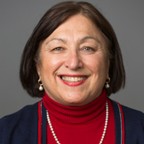
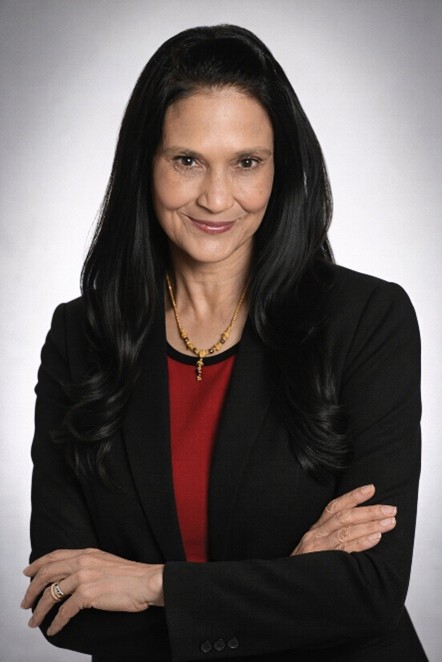
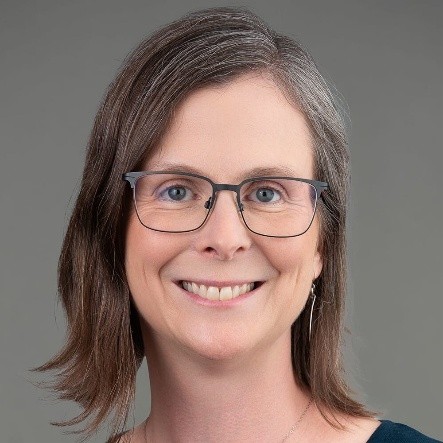
In support of improving patient care, this activity has been planned and implemented by Mass General Brigham and Collaborative for Health and Renewal in Medicine (CHARM). Mass General Brigham is jointly accredited by the Accreditation Council for Continuing Medical Education (ACCME), the Accreditation Council for Pharmacy Education (ACPE), and the American Nurses Credentialing Center (ANCC), to provide continuing education for the healthcare team
Credit Designation Statement
AMA PRA Category 1 Credits™
Mass General Brigham designates this live activity for a maximum of 11.75 AMA PRA Category 1 Credits™. Physicians should claim only the credit commensurate with the extent of their participation in the activity
Available Credit
- 11.75 AMA PRA Category 1 Credit™
- 11.75 Participation
Price
| Type of Registration | Tuition Fee |
|---|---|
| In-Person CME Event Only | $1,050.00 |
| In-Person CME Event & Non-CME Longitudinal Sessions | $1,250.00 |
Please contact Dr. Saadia Akhtar at [email protected] if you have any questions about the course.
Cancellation Policy
Registrations cancelled on or before October 13, 2026 will be refunded, less a $80 administrative fee. Registrations cancelled after October 13, 2026 will not be refunded.
Contact [email protected] if you require assistance in cancelling your online registration.